

The comic book industry was rocked on September 11, 2025, when DC Comics made the unprecedented decision to cancel its newly launched Red Hood series after just one issue, following inflammatory social media comments by writer Gretchen Felker-Martin celebrating the assassination of conservative activist Charlie Kirk. The cancellation, announced within hours of the series debut, represents one of the most dramatic publishing reversals in recent comic book history and has ignited fierce debates about creator accountability, corporate responsibility, and the boundaries of free expression in the entertainment industry.
Background: Who is Gretchen Felker-Martin?
Gretchen Felker-Martin is an American horror author and film critic who has gained significant recognition in the literary world over the past few years. Born and raised in rural New Hampshire, she later moved to Worcester, Massachusetts, in 2007, where she began building her career as a writer and critic. Her work has been published in prestigious outlets including Polygon and Time, establishing her as a notable voice in horror fiction and media criticism.

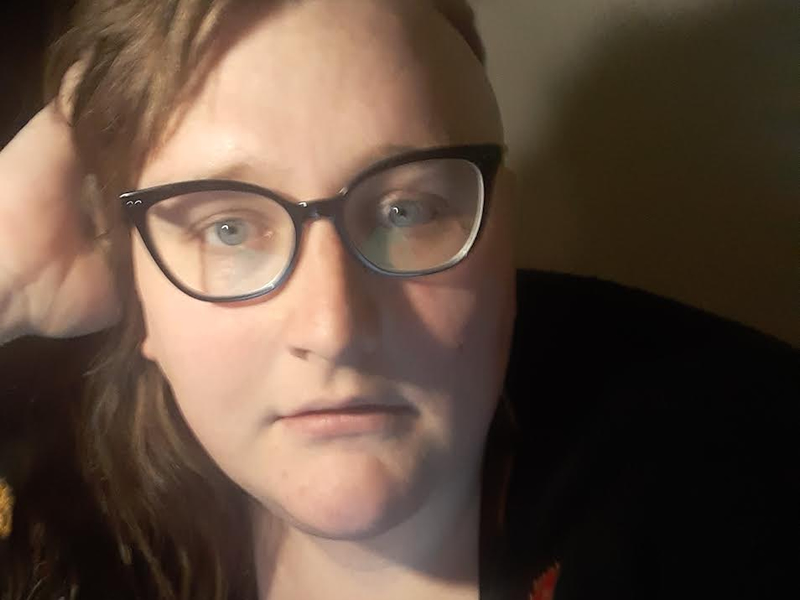
Felker-Martin’s breakthrough came with her debut science fiction horror novel “Manhunt,” published on February 22, 2022, by Tor Nightfire. The book immediately garnered critical acclaim, appearing at number one on Vulture’s list of “The Best Books of 2022”. The novel explores a post-apocalyptic world through a transgender perspective, dealing with themes of survival, identity, and trauma in a landscape where a virus transforms people with high testosterone levels into cannibalistic creatures.
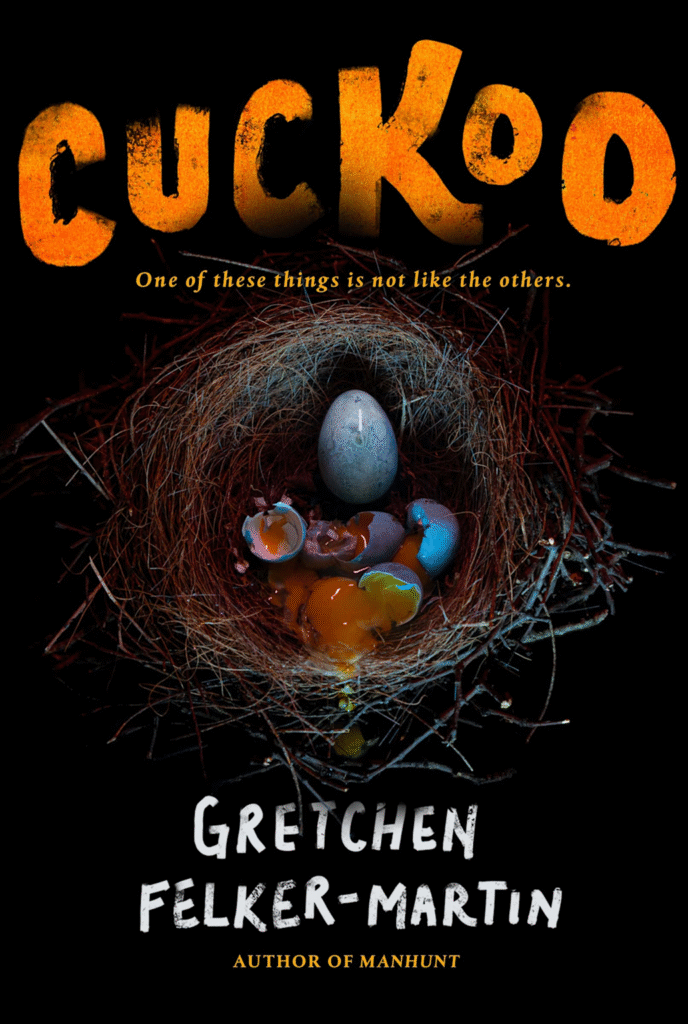
The success of “Manhunt” was followed by her second novel, “Cuckoo,” published on June 11, 2024. This work also achieved commercial success, entering the USA Today bestseller list in its first week and being selected as one of Vulture’s “Best Horror Books of 2024 (So Far)”. Publishers Weekly praised the novel, writing that it “lays bare grief, terror, and the tenderness that makes it all matter, this is horror at its best”.

The Red Hood Project and DC Comics Partnership
DC Comics announced Felker-Martin as the writer for a new Red Hood series in June 2025, marking a significant expansion of her career from literary fiction into mainstream comic book publishing. The series was designed as DC’s first-ever in-continuity, mature readers ongoing Red Hood series, positioned under the company’s Black Label imprint for adult audiences.
The comic book series was set to follow Jason Todd, the former Robin who became the Red Hood, as he established operations in New Angelique, a fictional New Orleans-inspired city. The narrative was described as spinning out of the delayed H2SH storyline and would feature the Huntress following Red Hood to keep tabs on his activities. Felker-Martin collaborated with artist Jeff Spokes and letterer Becca Carey to bring the vision to life.
In interviews prior to the controversy, Felker-Martin expressed enthusiasm about the project and discussed her approach to the character. She revealed that DC had actually approached her to pitch for the series, rather than her seeking out the opportunity. The writer described her vision for the series as focusing on “fascism and corruption and abusive state power,” indicating a politically charged narrative approach.
The series was marketed as mature content, with Felker-Martin acknowledging in interviews that while it wouldn’t be as extreme as her horror novels, it would still contain significant violence, including “killing cops,” “killing FBI agents,” and “killing ICE agents”. She noted that while there was initial pushback from some editors regarding the intensity of violence, her editor Arianna Turturro was supportive of her vision.
The Charlie Kirk Assassination and Felker-Martin’s Response
On September 10, 2025, conservative activist and Turning Point USA founder Charlie Kirk was fatally shot while speaking at Utah Valley University in Orem, Utah. The assassination occurred during a question-and-answer session when Kirk was discussing transgender individuals and mass shootings. According to reports, an audience member had asked Kirk about the number of transgender Americans who had been mass shooters over the last 10 years, to which Kirk replied “Too many”. The conversation continued with questions about overall mass shooter statistics, and Kirk’s final words were reportedly “counting or not counting gang violence?” before the fatal shot was fired.
The assassination was immediately condemned across the political spectrum, with former President Barack Obama issuing a statement that “this kind of despicable violence has no place in our democracy”. Utah Governor Spencer Cox described the incident as a “political assassination,” and federal authorities launched a manhunt for the suspect.
However, Felker-Martin’s response on social media platform BlueSky was starkly different. She posted: “Thoughts and prayers you Nazi b*tch. Hope the bullet’s okay after touching Charlie Kirk”. These comments were widely circulated on social media platforms and generated immediate backlash from various quarters.
The inflammatory nature of Felker-Martin’s comments was particularly notable given Kirk’s status as a husband and father, and the tragic circumstances of his death. Her posts were subsequently deleted, but screenshots had already been widely shared across social media platforms. BlueSky later suspended Felker-Martin’s account for the posts.
DC Comics’ Swift Response and Cancellation
The reaction from DC Comics was immediate and decisive. On September 11, 2025, the company sent a notice to comic book retailers announcing the cancellation of the Red Hood series after just one issue. The statement read: “DC Comics cancels existing orders for Red Hood #2 and Red Hood #3, and any orders for future issues of the series. DC Comics will credit retailers for all invoiced copies of Red Hood #1, inclusive of copies that may have already been sold”.
When contacted by media outlets for an official explanation, DC Comics provided a carefully worded statement that did not explicitly mention Felker-Martin by name but clearly addressed the situation: “At DC Comics, we place the highest value on our creators and community and affirm the right to peaceful, individual expression of personal viewpoints. Posts or public comments that can be viewed as promoting hostility or violence are inconsistent with DC’s standards of conduct”.
The cancellation was particularly dramatic given its timing – the series had launched on September 10, 2025, the same day as Kirk’s assassination. The swift action by DC Comics represented an unprecedented move in the industry, as publishers rarely cancel ongoing series after just one issue, and even more rarely offer full credits to retailers for already-sold copies.
The decision also had significant implications for the creative team beyond Felker-Martin. Artist Jeff Spokes and letterer Becca Carey, who had worked on the series, found themselves without employment through no fault of their own. Comic book industry observers noted that this represented a broader casualty of the controversy, as talented creators lost work opportunities due to their association with the cancelled project.
Previous Controversies and Pattern of Behavior
The Charlie Kirk incident was not Felker-Martin’s first controversial social media post. According to multiple sources, she had previously been suspended from BlueSky earlier in 2025 for posting death threats against Harry Potter author J.K. Rowling. The specific post read: “I hope someone splits her skull,” which BlueSky confirmed violated their rules against explicit death threats.
This pattern of violent rhetoric extended to Felker-Martin’s published work as well. In her 2022 novel “Manhunt,” J.K. Rowling is depicted being burned alive in her home. The book features characters doing battle with a group called “the Knights of J.K. Rowling,” clearly targeting the author for her views on transgender issues.
These incidents revealed a troubling pattern of behavior that some critics argued should have been evident to DC Comics during their vetting process for new creators. Industry observers questioned how the company’s editorial team missed or ignored these red flags when deciding to hire Felker-Martin for a high-profile ongoing series.
The controversial nature of Felker-Martin’s previous statements had not gone unnoticed by advocacy groups. In August 2025, the organization StandWithUs had launched a campaign titled “Demand Accountability: DC Comics Must Reconsider Its Choice of Writer for Red Hood,” specifically citing concerns about Felker-Martin’s appointment. The campaign had highlighted previous problematic statements and urged DC Comics to reconsider their decision before the series launch.
Industry and Public Reaction
The cancellation of Red Hood generated significant discussion within the comic book industry and among fans. Many praised DC Comics for taking swift action to address the situation, viewing it as appropriate accountability for inflammatory rhetoric. Others criticized the company for not conducting more thorough vetting of creators before making high-profile assignments.
Several media personalities faced consequences for their own responses to Kirk’s assassination. MSNBC reportedly fired anchor Matthew Dowd for comments suggesting that “hateful thoughts lead to hateful words, which then lead to hateful actions”. Comedy Central quickly removed a South Park episode featuring a character hosting a Charlie Kirk-style debate show.
The incident sparked broader conversations about the responsibilities of creators in the digital age and the extent to which publishers should monitor and respond to their employees’ social media activity. Some industry professionals argued that creators should have the freedom to express personal political views, while others contended that celebrating political violence crosses clear ethical lines.
Impact on DC Comics and Future Implications
The Red Hood cancellation came at a particularly sensitive time for DC Comics, as the company was experiencing renewed success under the leadership of James Gunn in their film division. The Superman film had been one of 2025’s biggest hits, and the company was working to rebuild its brand across multiple media platforms.
The controversy also highlighted ongoing tensions within the comic book industry regarding political content and creator accountability. DC Comics has previously cancelled series due to creator controversies, including Border Town in 2018 following sexual abuse allegations against writer Eric M. Esquivel, and a special edition of The Sandman #8 due to allegations against Neil Gaiman.
The financial implications of the cancellation were significant, as DC Comics offered to credit retailers for all copies of Red Hood #1, regardless of whether they had been sold. This unprecedented step demonstrated the company’s commitment to distancing itself from the controversy, even at considerable financial cost.
Conclusion
The Gretchen Felker-Martin controversy represents a watershed moment for the comic book industry, highlighting the complex intersection of creative freedom, corporate responsibility, and social media accountability in the digital age. While Felker-Martin’s literary achievements in horror fiction are undeniable, her inflammatory response to a political assassination crossed lines that DC Comics deemed incompatible with their standards of conduct.
The swift cancellation of Red Hood after just one issue sends a clear message about the consequences of promoting violence or hostility in public forums. The incident also raises important questions about the vetting processes used by major publishers when hiring creators, particularly those with documented histories of controversial statements.
As the comic book industry continues to navigate issues of political expression and creator accountability, the Felker-Martin case will likely serve as a reference point for future decisions. The controversy ultimately underscores the reality that in today’s interconnected media landscape, creators’ public statements and social media presence can have immediate and far-reaching consequences for their professional relationships and career opportunities.
The incident also demonstrates the speed with which modern media controversies can develop and impact business decisions. Within 24 hours, a successful comic book launch transformed into a complete series cancellation and industry-wide discussion about creator conduct standards. This rapid cycle from controversy to consequence reflects the accelerated pace of accountability in the digital era, where public statements can instantly reach global audiences and generate immediate corporate responses.