

Apple’s highly anticipated “Awe Dropping” event on September 9, 2025, has officially unveiled the iPhone 17 series, marking the most significant design overhaul in five years and introducing groundbreaking thermal management technology that positions Apple ahead of Android competitors.
Revolutionary iPhone 17 Air: The Thinnest iPhone Ever
The standout innovation of this launch is the iPhone 17 Air, measuring just 5.5mm thick – making it approximately one-third thinner than the current iPhone 16 Pro and even slimmer than the legendary iPhone 6. This ultra-thin device features a 6.6-inch OLED display with 120Hz ProMotion technology and represents Apple’s bold new direction in smartphone design.

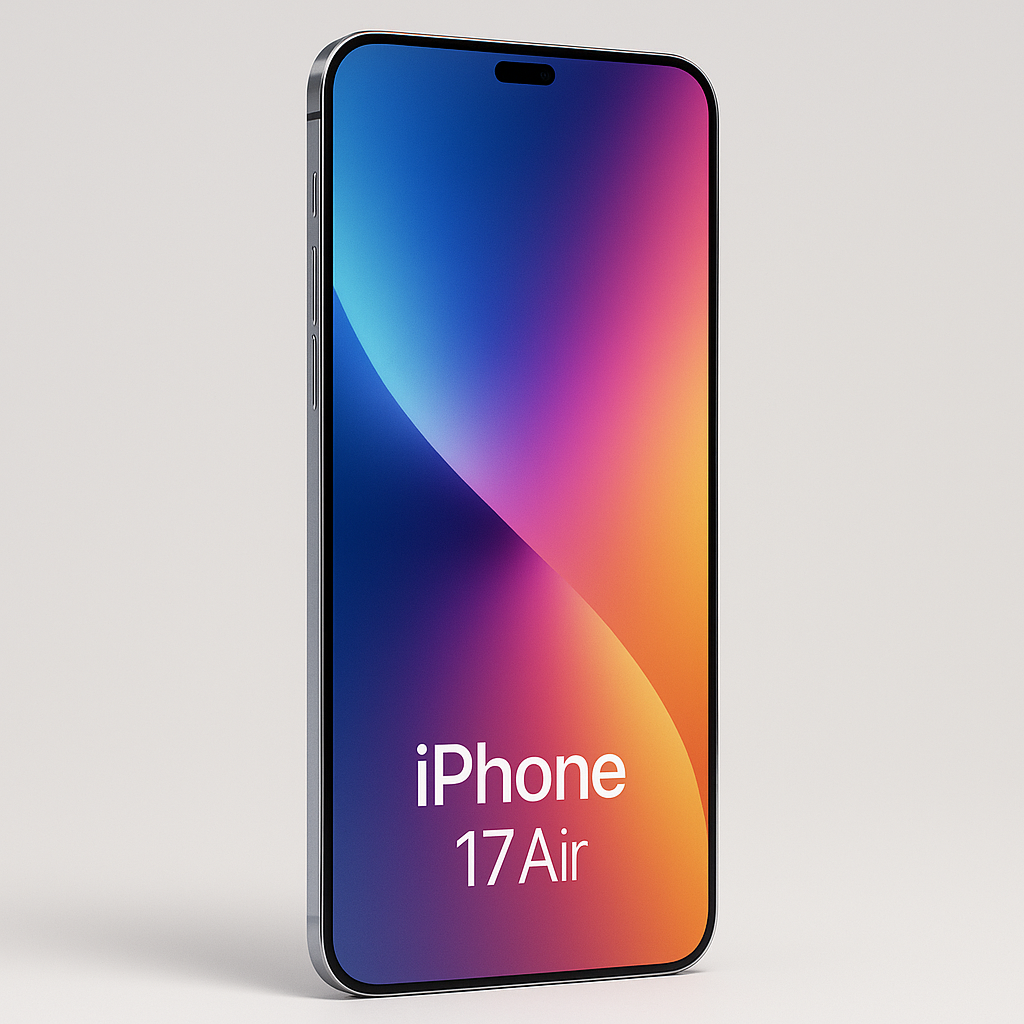
The iPhone 17 Air replaces the Plus model in Apple’s lineup, targeting users who prioritize portability without sacrificing flagship performance. Powered by the A19 Pro chip with a 5-core GPU (reduced from the standard 6-core configuration for thermal management), it includes 12GB of RAM and a sophisticated 48MP single-camera system. Industry pricing suggests the Air will be positioned between $899-$949, filling the gap between standard and Pro models.
iPhone 17 Pro Series: Professional Performance Redefined
The iPhone 17 Pro and Pro Max represent Apple’s most ambitious professional smartphones yet, featuring several industry-first implementations that address longstanding thermal and performance limitations.
Advanced Thermal Management Revolution
Both Pro models introduce vapor chamber cooling technology, marking Apple’s first implementation of this advanced thermal solution that has been standard in high-end Android devices for years. This system uses a vacuum-sealed copper component filled with liquid that efficiently dissipates heat from the CPU and GPU, enabling sustained peak performance during demanding tasks like 8K video recording, intensive gaming, and AI processing.
Mark Gurman, renowned Apple analyst, specifically highlighted that the “new heat management system/vapor chamber on the iPhone 17 Pro and Pro Max” would be a key talking point at the launch event. This addresses the thermal throttling issues that plagued previous iPhone models, where devices would slow down performance to prevent overheating.
Camera System Breakthrough
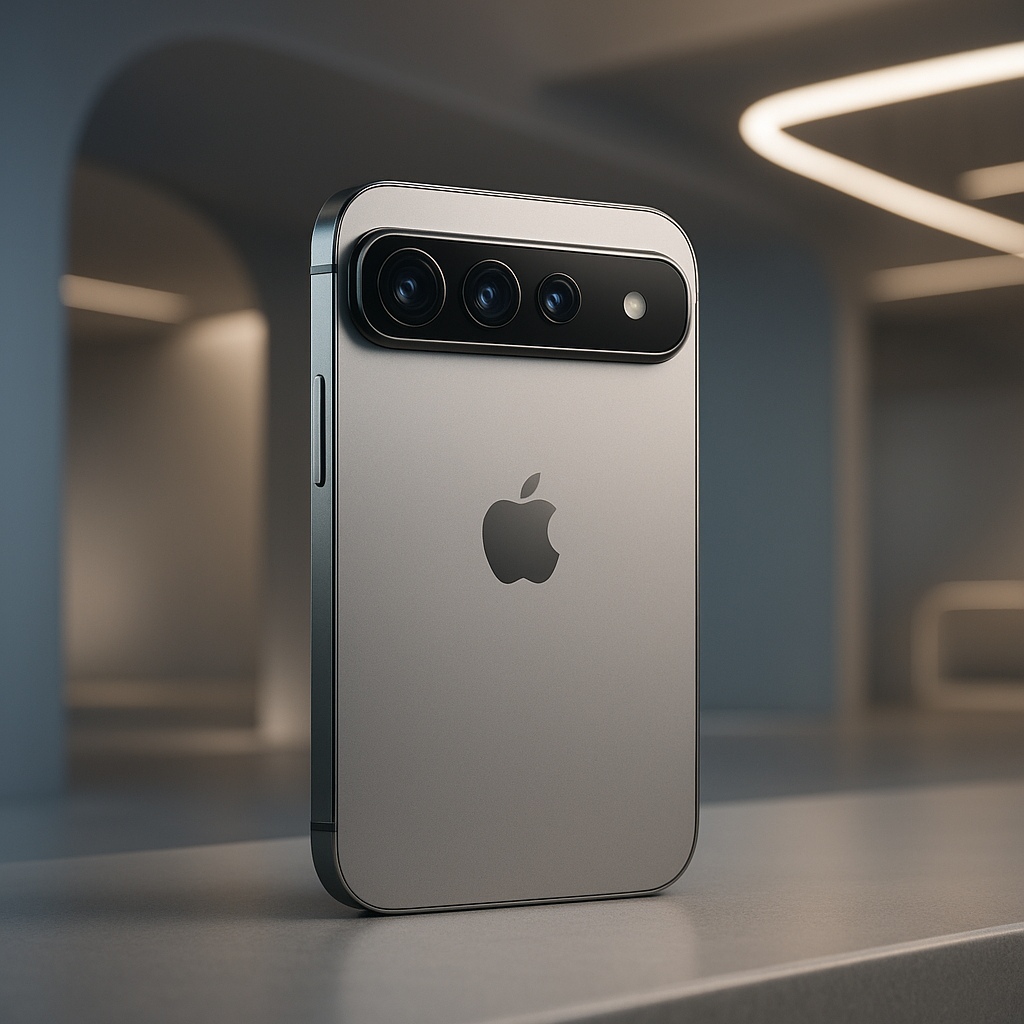
The Pro models feature a completely redesigned horizontal camera bar spanning the device’s back, moving away from the traditional square camera bump. All three rear cameras now use 48MP sensors, with the telephoto lens offering 8x optical zoom – a significant improvement from the 5x zoom on iPhone 16 Pro models.
Additional camera enhancements include 8K video recording capability, 24MP front-facing cameras across all models (doubling from the 12MP sensors in iPhone 16), and advanced computational photography features enabled by the improved thermal management.
Performance Revolution: A19 and A19 Pro Chips
The iPhone 17 series is powered by Apple’s latest silicon innovations built on TSMC’s advanced 3nm manufacturing process. The standard iPhone 17 uses the A19 chip, while Pro models feature the more powerful A19 Pro variant.
A19 Pro Specifications and Performance
The A19 Pro chip represents a significant architectural advancement with 8 cores (compared to 6 cores in the A18 Pro) and a base frequency of 4.49GHz. Benchmark results show impressive performance gains:
- Single-core Geekbench score: 3,861
- Multi-core Geekbench score: 10,337
- AnTuTu overall score: 2,141,200
These scores match or exceed flagship Android processors like the Snapdragon 8 Elite 2 and Exynos 2500, finally putting iPhone performance on par with the best Android devices. The chip supports Wi-Fi 7 connectivity and works seamlessly with up to 12GB LPDDR5X RAM in Pro models.
iOS 26 and Liquid Glass Design Language
The iPhone 17 series debuts with iOS 26, featuring Apple’s most significant design overhaul since iOS 7 in 2013. The centerpiece is the Liquid Glass design language, which creates translucent, dynamically responsive interface elements that behave like real glass.
Liquid Glass Key Features
Translucent Interface Elements: Buttons, menus, and controls allow background content to filter through, creating depth and visual continuity.
Real-Time Rendering: The interface dynamically reacts to device movement with reflective highlights and specular effects.
Adaptive Transparency: Glass elements adjust opacity based on content density, lighting conditions, and user behavior.
Cross-Platform Consistency: For the first time, the design extends across iOS 26, iPadOS 26, macOS Tahoe, watchOS 26, and tvOS 26.
The Lock Screen features customizable Liquid Glass control buttons and translucent notifications, while app icons gain subtle depth with layered glass appearances. Controls and navigation elements are crafted from Liquid Glass and transform fluidly based on user needs.
Complete iPhone 17 Lineup and Pricing
iPhone 17: Features a 6.3-inch display with 120Hz ProMotion (finally bringing high refresh rates to the base model), A19 chip, 24MP front camera, and dual rear cameras. Starting price: $799.
iPhone 17 Air: Ultra-thin 5.5mm design with 6.6-inch display, A19 Pro chip (5-core GPU), 12GB RAM, single 48MP camera. Price range: $899-$949.
iPhone 17 Pro: 6.3-inch display, A19 Pro chip with vapor chamber cooling, triple 48MP camera system with 8x optical zoom, 12GB RAM, aluminum frame. Starting at $1,099 (256GB base storage).
iPhone 17 Pro Max: 6.9-inch display, same Pro features with larger battery and enhanced thermal capacity. Starting at $1,199.
Market Availability and Launch Timeline
Pre-orders: Begin September 12, 2025, at 5 AM PT (8 AM ET)
General availability: September 19, 2025, globally including India
India manufacturing: All four iPhone 17 models will be manufactured in India across five facilities, marking the first time Apple produces every variant of a new iPhone lineup in India at launch
Industry Impact and Future Implications
The iPhone 17 series addresses long-standing criticisms about Apple’s thermal management and design stagnation. The vapor chamber cooling system enables sustained performance that was previously impossible, opening doors for more demanding applications, extended AR experiences with Apple Vision Pro, and professional workflows that require consistent high performance.
The introduction of the ultra-thin Air model signals Apple’s confidence in miniaturization technology and creates a new category between mainstream and professional devices. Combined with the Liquid Glass design language extending across all Apple platforms, the iPhone 17 represents not just a product refresh but a foundational shift toward more sophisticated, thermally capable, and visually cohesive devices.
With manufacturing centered in India and global availability from day one, Apple demonstrates its commitment to emerging markets while maintaining the premium positioning that has made iPhone one of the world’s most valuable product lines. The iPhone 17 series sets the stage for the next generation of mobile computing, where thermal constraints no longer limit performance potential.